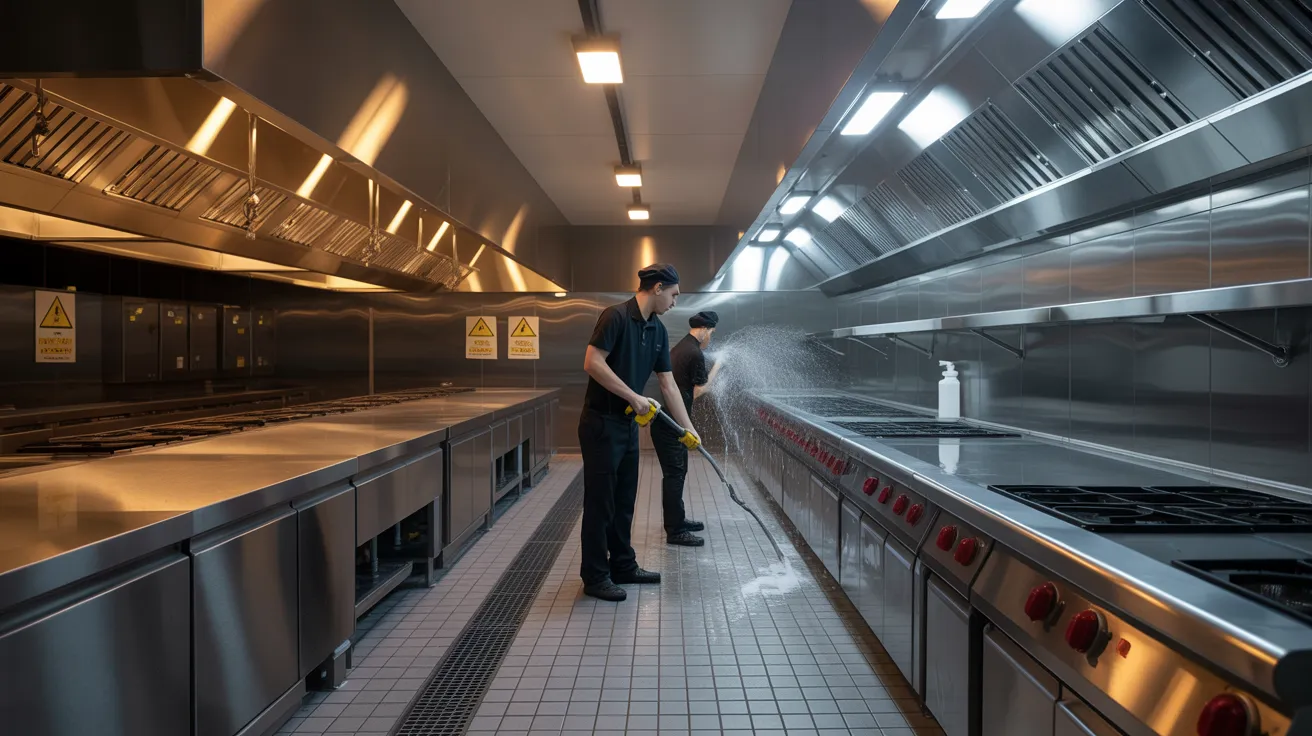
Commercial hygiene experts located in Brampton help maintain food service establishments, commissaries, baking enterprises, warehouses, and mobile food units to sanitation standards. They disinfect frequently handled areas, food-contact areas, equipment, floors, drains, restrooms, and food handling areas using approved sanitizers, in correct dilution, and with verified times.
Main Points
- Brampton food safety cleaning experts assist restaurants, grocery departments, commissaries, warehouses, bakeries, schools, mobile vendors, and allergen-sensitive operations.
- They disinfect high-touch surfaces, food-contact equipment, kitchens, floors, drains, restrooms, and storage areas using sectional methods to eliminate cross-contamination.
- Approved sanitizer dilution, suitability, and exposure duration are validated by approved specialists, with completion logged via tests, audits, and action records.
- Sanitation plans need to adhere to hazard, production volume, switches, incidents, and requirements, with routine, weekly, and annual operations allocated by zone.
- Vendors ought to demonstrate hazard analysis knowledge, public-health understanding, WHMIS preparation, protection, references, color-coded implements, and assessment-ready sanitation files.
What Brampton Venues Require Food Safety Cleaning?
Food safety cleaning is required for any Brampton facility that processes, stores, prepares, packages, or serves food. Apply it to your facility if it is subject to health inspections, food codes, or HACCP requirements. This includes dining establishments, break rooms, distribution centers, market departments, meat shops, fish areas, stores, and food prep kitchens.
Adherent hygiene cleaning is equally necessary in supply facilities, manufacturing operations, cold storage areas, bakery retailers, educational nutrition programs, banquet halls, and food delivery hubs. Mobile and temporary establishments apply similarly, like food trucks, event vendors, and temporary stalls. Your venue needs written cleaning standards should your staff process ingredients, portion ready-to-eat items, reheat products, or store allergens. In Brampton, sanitation continues to be not discretionary; it forms lawful, operational, and customer protection adherence.
Which Areas Do Brampton Cleaning Experts Cover?
You need professional cleaners who sanitize high-touch surfaces, kitchens, floors, and bathrooms to comply with food safety and health regulations. They focus on these spaces because they present the highest risk for contamination spread, slip hazards, and sanitation breaches.
Knowing their service areas enables you to validate your facility's cleaning meets required standards and regulations.
High-Touch Surface Cleaning
create a sanitizing plan
Preventing contamination spread by swapping wipes, following sequential cleaning patterns, and dividing disinfection materials according to section ensures your cleaning protocol stays quantifiable, justified, and compliance-ready.
Kitchen Areas, Floor Surfaces, and Bathroom Spaces
Brampton cleaning professionals will address kitchens, floors, and restrooms since each space presents separate food safety concerns, slip-and-fall, and public health challenges. In industrial kitchens, you need degreasing on cook lines, equipment exteriors, drains, prep surfaces, and splash zones to minimize contamination and pest pressure.
You should also expect documented flooring maintenance. is likewise provided as part of the service.
For restroom sanitation, cleaners sanitize high-touch surfaces, bathroom fixtures, stall dividers, supply dispensers, and trash receptacles, then refill items and eliminate smells. They also maintain restaurant cleaning supply rooms where product storage, sink cleanliness, and drain systems impact daily sanitation standards and worker protection.
How Food Safety Cleaning Benefits Brampton Operations
Brampton operations demand food-safe cleaning standards to meet health code requirements and pass audits. You also minimize cross-contamination by cleaning and sanitizing food-contact surfaces, equipment, and high-touch areas correctly. Most importantly, you help protect public health by lowering the risk of foodborne illness in your facility.
Food Safety Regulations
Since Brampton food companies must follow mandatory safety protocols, your cleaning procedures directly influences your capacity to satisfy health codes, defend diners, and sidestep regulatory penalties. You must maintain hygienic food handling zones, verifiable cleaning logs, safe chemical management, and documented employee protocols that correspond to municipal and provincial inspection expectations.
Failure to maintain cleaning standards poses threats violations, remedial directives, reputational damage, and service interruption during follow-up inspections or enforcement reviews.
Cross-Contamination Prevention
Adhering to health code standards requires your skill in preventing cross-contamination throughout routine preparation and sanitation work. You need to isolate uncooked items from finished products, clean prep surfaces between tasks, and keep chemicals away from food-contact items. Organized systems minimize contamination events and maintain ongoing regulatory adherence.
You might establish allergen separation to stop main allergens from reaching common areas, containers, or machinery. Apply separate boards, color-marked equipment, and rigorous tool identification so team members avoid blending products during preparation or service. Enforce washing hands following raw meat, seafood, eggs, or allergen-containing products. Change wiping cloths regularly, and check sanitizer strength with test strips. When you train staff to follow these controls each shift, you create a cleaner, safer operation that meets Brampton's food safety expectations every day.
Public Health Assurance
Should food safety cleaning collapse, you don't simply encounter inspection problems—you expand the odds of contamination-related sickness harming customers, staff, and the wider Brampton community. You also undermine your responsibility in protecting public health, especially in busy food facilities where contamination can spread quickly through surfaces, equipment, and touchpoints.
You need sanitation procedures that eliminate contaminants, sanitize correctly, and verify results. That requires adhering to exposure periods, employing authorized sanitizers, recording cleaning times, and training staff to meet health-unit expectations. These measures facilitate disease prevention by lowering microbial loads before they reach food or hands. In Brampton, strong sanitation protects vulnerable populations, limits outbreak potential, and enables you to show proper care. When you clean to standard, you exceed basic requirements—you actively reduce risk and promote secure food handling citywide.
Why Is Cleaning Essential for Food Safety Compliance?
Establishing thorough cleaning protocols improves food safety compliance by lowering contamination exposure, preventing pathogen multiplication, and positioning your facility in accordance with sanitation requirements under HACCP-based programs and public health regulations. You verify that contact surfaces stay visibly clean and microbiologically controlled, supporting documented preventive controls and inspection readiness.
Conscientious cleaning moreover reinforces allergen prevention by removing residues that can cause undeclared allergen exposure. When you pair approved sanitation protocols with safety training, your staff can execute uniform procedures, employ approved chemicals appropriately, fill out documentation correctly, and address deviations in advance of escalation occurs. Regular cleaning facilitates supply chain documentation, establishes corrective actions, and demonstrates due diligence during audits. It also helps you preserve product safety, sustain operational compliance, and decrease the possibility of enforcement actions, market recalls, formal complaints, and avoidable health dangers.
When Ought You Schedule Commercial Cleaning?
food-contact surfaces, bathrooms, and frequently touched areas
facility shutdowns, weather-related soil accumulation, or periods of elevated pest concerns. When your facility conducts promotions, catering, or public functions, arrange cleaning immediately prior to and following for successful event turnaround
How Do You Choose Brampton Cleaning Experts?
Start by screening providers against food sanitation standards, not price alone. You should verify that each company understands CFIA, public health, and HACCP compliance standards relevant to your facility. Ask for insurance documentation, WHMIS compliance, documented staff training, and supervision practices. Review whether technicians understand cross-contamination risks, chemical handling, and traceable sanitation records.
Additionally, you need to evaluate service dependability and responsibility. Obtain references from food facilities in Brampton, then review service speed, corrective-action procedures, and communication standards. Verify the company conducts supplier reviews and can deliver inspection-ready documentation when inspectors or external parties need proof. Verify equipment upkeep, color-coded equipment are applied correctly, and location-specific dangers are identified. A qualified provider ensures compliance, product quality, and your brand reputation.
What's covered in a sanitation cleaning strategy?
Create a documented strategy that defines every sanitation task, standard, and responsibility before production starts. You should document cleaning schedules, authorized products, mixing ratios, exposure periods, equipment, and testing procedures for each area, section, and machine. Don't forget to add pre-operational inspections, corrective actions, and employee training requirements.
Your strategy should also tackle cross-contamination controls, waste handling, pest-prevention measures, and documented schedules for facilities, drains, flooring, and food-preparation surfaces. Outline how you'll separate raw and ready-to-eat processes, facilitate ingredient tracking, and keep accurate allergen labeling through validated cleaning between product changes. You should establish accountability, document signed records, and assess results against regulatory standards, HACCP controls, and customer requirements. When gaps appear, update procedures immediately and instruct staff.
Commonly Asked Questions
Do sanitation providers work during nighttime hours at Brampton facilities?
If you operate controlled facilities, you'll also require records that support inspections and ensure quality assurance.
Will sanitation professionals address emergency spills?
Yes, you can discover many Brampton cleaning professionals providing spill response services. They handle hazardous incidents, evaluate risks, isolate contamination, refer to resource and initiate rapid cleanup to reduce risk and prevent business disruption. You should verify response rates, certifications, PPE measures, and disposal methods. If your facility must meet compliance standards, select a service that tracks incidents, adheres to standards, and supports verification.
Will eco-friendly disinfectants clean safely food-handling equipment?
In essence, plant-based sanitizers prove safe for food preparation areas provided you buy items marked food-safe that comply with regulatory requirements. Check contact times, mixing proportions, and rinse procedures ahead of deployment. Botanical formulations lower harsh chemical exposure, although you must have confirmation of performance against harmful bacteria. To preserve surfaces without residue, stick to exact manufacturer guidelines and ensure the disinfecting agent meets food sanitation requirements.
Can cleaning schedules flex with seasonal production changes?
Absolutely, maintenance plans are customizable for seasonal production changes. Modify intervals, staff levels, cleaning agents, and confirmation procedures to align with operational cycles while preserving compliance standards. Reduce production downtime through planning sanitization around changeovers, high demand periods, and equipment use patterns. Additionally, update written procedures, training, and environmental monitoring to capture periodic risks, additional allergens, or higher contamination levels. Continuous reviews keep your program current.
Are professional cleaning companies providing employee instruction on hygiene protocols?
Indeed, commercial cleaning providers often offer staff training on sanitation best practices. Your team obtains instruction on proper chemical use, contact times, preventing cross-contamination, equipment breakdown, and record-keeping. They generally adhere to instruction with HACCP, GMP, and CFIA or regional health standards requirements. Many also execute sanitation audits to verify compliance, reveal issues, and reinforce corrective actions. This assists you to maintain consistent procedures, achieve compliance, and reduce food safety risks on a daily basis.
Final Thoughts
When you partner with Brampton commercial cleaning and food safety specialists, you don't just tidy up—you maintain your facility inspection-ready and your standards compliant. From kitchens to processing floors, every polished surface and well-kept corner minimizes pest intrusion and avoid expensive problems. By scheduling service at the proper frequency and adhering to a detailed cleaning schedule, you protect employees, customers, and your brand image. In a strict regulatory setting, sanitary conditions are essential—they're part of doing business right.